
How should agricultural machinery enterprises go global in 2026
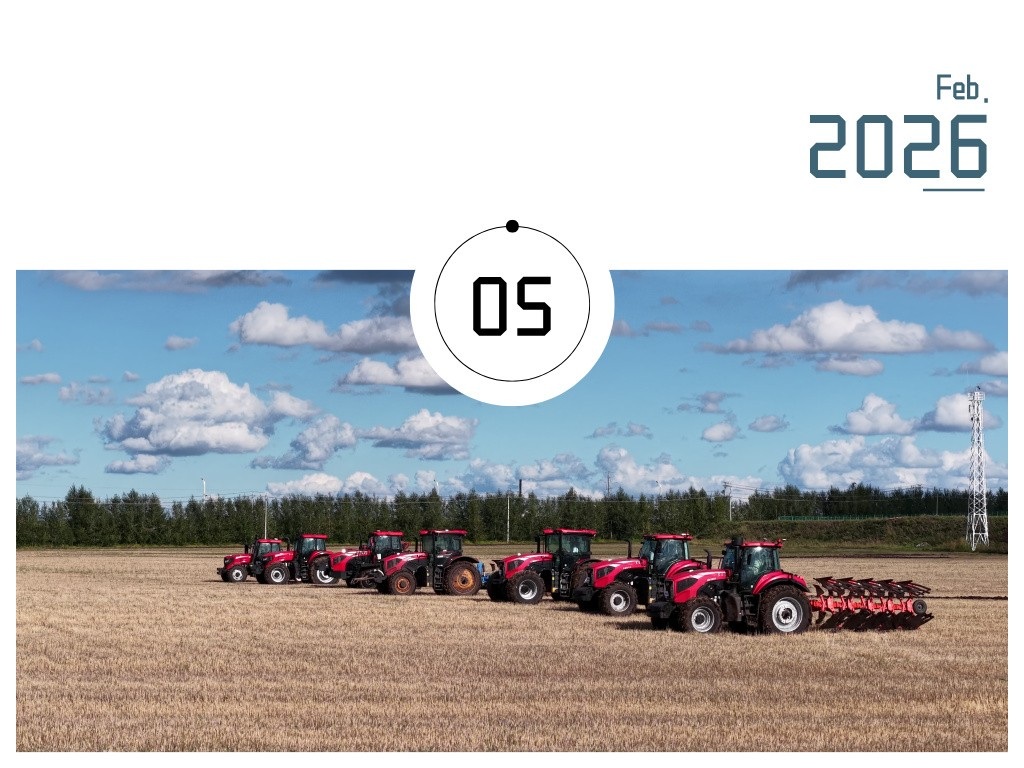
In 2025, he visited Thailand, Malaysia and other countries, participated in the Hanover Fair in Germany, visited the market in Türkiye, and went to Kazakhstan and Uzbekistan twice. In the above countries and regions, we have come into contact with a large number of Chinese agricultural machinery personnel and enterprises. Obviously, no one has given unified orders, but many agricultural machinery enterprises have coincidentally gone abroad to expand their business. It is not an exaggeration to say that wherever there are people, there are now Chinese agricultural machinery personnel attacking. At present, China's agricultural machinery industry is in an unprecedented period of strategic opportunities, technological explosion, and global expansion. Its situation is quite similar to the transformative historical stage of Europe discovering new continents and expanding global trade networks through sea voyages from the 15th to the 17th century. 2026 is the window for China's agricultural machinery industry to go global.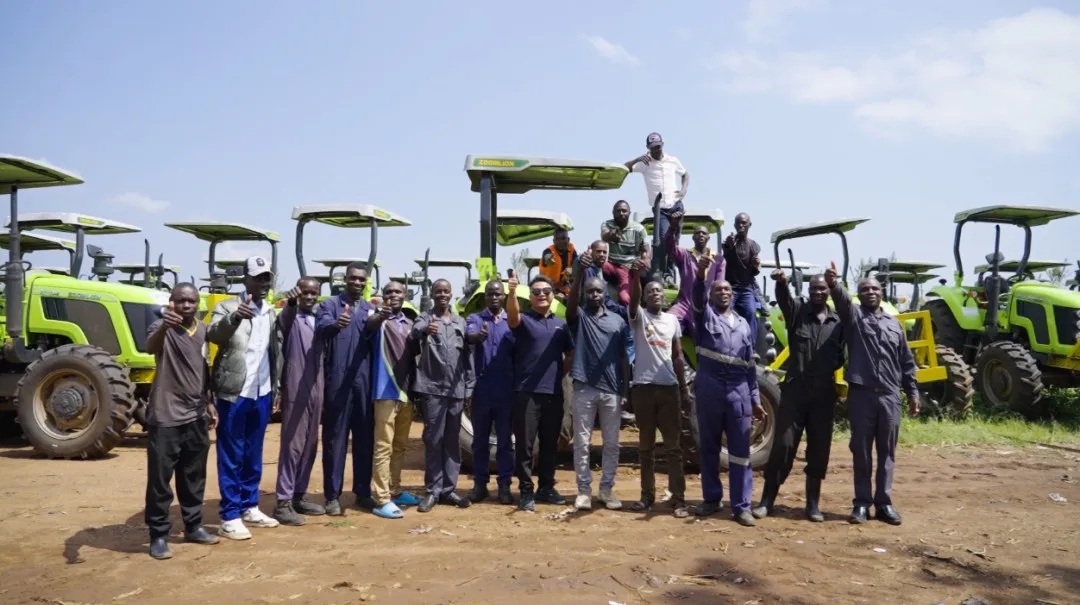
1、 Brilliant achievements in 2025
From relevant statistical data and industry reports, it can be seen that there will be two "ice and fire" scenarios in China's agricultural machinery industry by 2025.
One is the dual nature of domestic sales and export sales. According to the data from the agricultural machinery purchase subsidy system, 3.08 million agricultural machinery were sold in 2024, achieving a sales revenue of 85 billion yuan; By 2025, sales of 3.18 million units were achieved, resulting in a sales revenue of 79.5 billion yuan. From the data, sales volume has increased, but sales volume is decreasing, showing a clear trend of consumption downgrade. However, this is the data for December, and there may be changes in the data for 2025 after it is entered later. Nevertheless, it can still be seen that the domestic demand for agricultural machinery is weak.
On the other hand, according to Chinese customs data, China's agricultural machinery exports will show a strong growth trend in 2025. The cumulative export value of agricultural machinery from January to December reached 674.1858 million yuan, a significant increase of 32.3% year-on-year. In December alone, the export value reached 7319.9 million yuan, a year-on-year increase of 20.5%.
The second is the dual nature of exporting and importing ice and fire. In sharp contrast to the booming export market, the overall performance of China's agricultural machinery imports in 2025 was sluggish, with a cumulative import amount of 3731.65 million yuan for the whole year, a year-on-year decrease of 25%. This trend is similar to the situation in 2024, when the import amount of agricultural machinery in China was 493871 million yuan, a year-on-year decrease of 39.1%, further confirming the continuous decline of the agricultural machinery import market. From the data, 2024 is a turning point for imports to shift from increasing to decreasing. The reason for this is not only the substitution of imported high-end agricultural machinery by domestic agricultural machinery, but also closely related to the significant increase in tariffs after the China US trade war.
In short, against the backdrop of entering the stock market and anti globalization, China's agricultural machinery exports and exports have performed outstandingly, and can even be said to have achieved brilliant results. This also provides confidence and motivation for enterprises that want to go out but dare not take action.
2、 Chinese agricultural machinery enterprises accelerate their overseas expansion in 2026
Domestic agricultural machinery will accelerate its pace of going global in 2026, which is not simply a prediction for the future, but has already become a reality in the industry. It can be seen as an inevitable strategic breakthrough for the domestic agricultural machinery industry, driven by both internal development pressure and external market pull.
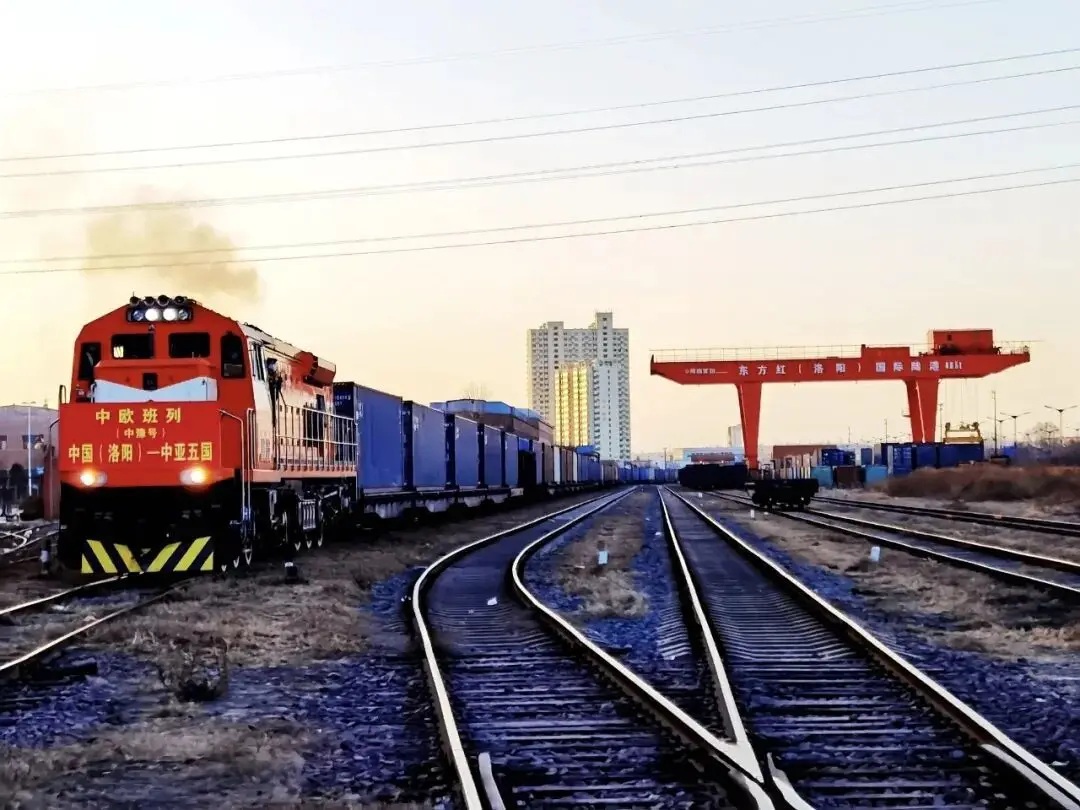
From the perspective of internal development "pressure", domestic agricultural machinery enterprises are facing at least two difficulties: firstly, the large industry has passed its peak and entered the stock market, even needing to digest the long-term overdraft of the market caused by the high-intensity national subsidy policy for 20 years. Almost all enterprises are under pressure, and their operations are like sailing against the current. If they do not advance, they will fall behind, and they urgently need to find ways to grow their business, while overseas markets are vast and open; The second is the intense competition, which is unparalleled and has no bottom line in the domestic agricultural machinery market worldwide. The dilemma for domestic agricultural machinery enterprises lies in the need to face too many competitors. For example, in 2025, there will still be more than 220 brands in the tractor industry. Although it is a stock market, the number of brands is increasing instead of decreasing. Every year, new brands emerge, and "more wolves than meat" is the reality of almost every segmented industry in China. Since the number of tractor companies in China far exceeds the total global market, it is wise for companies to avoid the domestic market and choose regions with relatively lower competition intensity for development.
Of course, the export of domestic agricultural machinery is not entirely a helpless choice under pressure. In fact, many companies have taken strategic steps after accumulating a certain level of strength. For example, in recent years, domestically produced crop protection drones, such as DJI, have almost swept the global market. Domestic automatic navigation systems represented by brands such as Shanghai Lianshi, Shanghai Huace, and Heilongjiang Huida are replacing some well-known brands in Europe and America on a large scale. The reason behind this is that Chinese made agricultural machinery has shown significant advantages in technology, product strength, and cost-effectiveness.
With the magnificent transformation of China's agricultural machinery industry from traditional low-end to high-end and intelligent, coupled with the empowerment of cutting-edge technologies such as artificial intelligence, the Internet of Things, and big data, the competitiveness of Chinese made intelligent agricultural machinery, unmanned tractors, precision agricultural equipment, etc. in overseas markets is increasingly prominent, gradually penetrating into high-end fields, and also replacing expensive and cost-effective products in European and American countries.
From the perspective of external "pull", the "the Belt and Road" economic belt advocated by China is radiating more and more vigorous vitality. Countries and regions along the "the Belt and Road" are gradually building a unified and efficient market. The economic vitality of Southeast Asia, Central Asia and Africa has been fully activated under the leadership of China. China has also exported advanced breeding and planting technologies to these regions, promoting the vigorous development of local agriculture, and thus generating a strong demand for agricultural machinery. Chinese made agricultural machinery is highly compatible with local demand and is gaining recognition from more and more countries and people.
The structure and complexity of the Chinese market have led to a multi-level and hierarchical nature in the supply side of domestic agricultural machinery, which is highly in line with the demand of overseas markets. For example, there is a shortage of medium horsepower agricultural machinery in Vietnam, smart agricultural machinery is needed in Brazil, and high durability and cost-effective agricultural machinery is needed in Africa, all of which have corresponding production enterprises in China.
3、 Which places are the destinations for going out to sea?
According to relevant data, regions outside of China account for 80% of the global agricultural machinery market. The Asia Pacific region, especially developing countries, due to its large population and the potential of agricultural economy, has seen a continuous expansion in demand for agricultural machinery, becoming a potential market for quick and effective results. Meanwhile, in Western Europe and North America, due to the maturity of agricultural mechanization, the main demand is focused on equipment iteration, especially for large-scale advanced agricultural machinery.
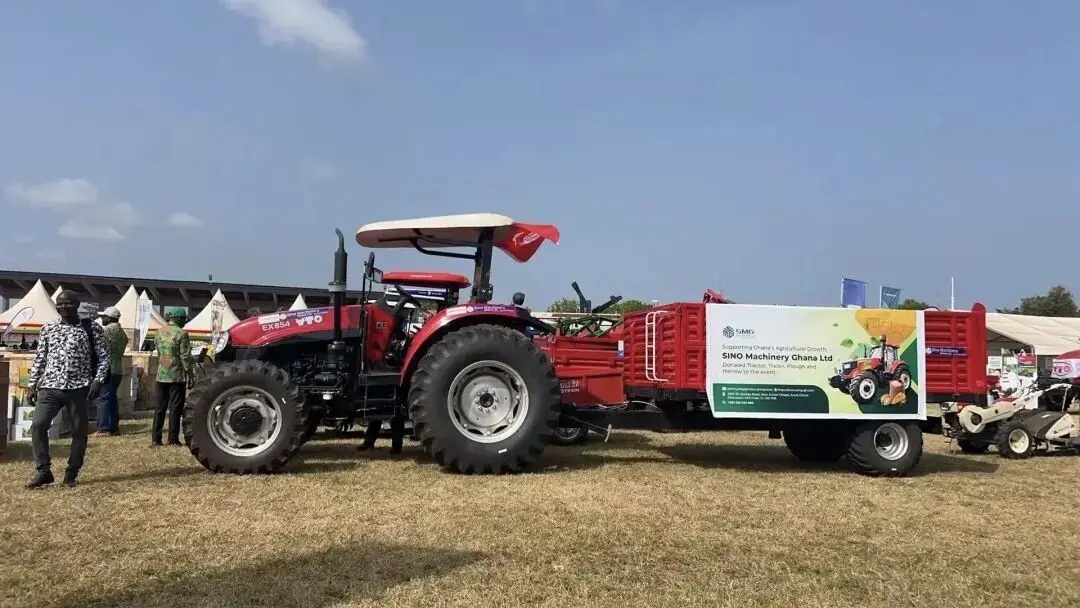
The author suggests that domestic agricultural machinery enterprises should go global and implement it in stages and steps:
Short term breakthrough: Focusing on Southeast Asian and African markets, leveraging policy support and market demand matching, we mainly promote small and medium-sized agricultural machinery and grain processing machinery.
The core markets in Southeast Asia can be positioned as Vietnam, Thailand, Indonesia, and the Philippines. These countries have a large agricultural population, scattered arable land, and crop types (rice, palm, tropical fruits) similar to China. They have high adaptability to small and medium-sized agricultural machinery in China and have always been the first choice for domestic agricultural machinery to go abroad.
Africa can focus on East Africa and West Africa. These two regions have vast arable land areas, with a large amount of high-quality arable land yet to be developed, and agricultural mechanization is still in its infancy. Chinese made simple, reliable, and durable small and medium-sized wheel tractors, hand guided tractors, diesel engines, and other products have great market potential, and even products that have been eliminated domestically have a large market here, which can make Chinese related products play a role again.
Mid term efforts: Russia, some countries or regions in Latin America and Central Asia, either have closed domestic markets and are limited by national institutional factors, or have long relied on high-end equipment from European and American countries, forming a strong brand dependence. The transformation of consumer attitudes and the establishment of a market economy system both require time, therefore, preparations for long-term cultivation need to be made in these regions. In the early stage, a localized service system should be established, based on existing products, gradually penetrating into the high-end and large-scale machinery market.
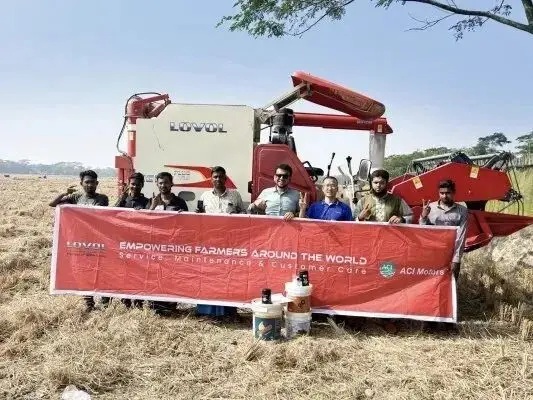
Long term layout: The markets in European and American countries and regions are globally recognized as high-end and high-value markets, and are also the headquarters of global high-end brands such as John Deere, Case New Holland, Kubota, Aiko, Klaas, Amazon, Lion, and Reken. At the same time, Indian and Türkiye brands such as Mahindra&Mahindra, Sonalika and TAFE also have a place in the middle and low end market. Chinese agricultural machinery brands such as Lovol Tractors and Dongfeng Agricultural Machinery have achieved significant results in the African and Southeast Asian markets, demonstrating the competitiveness of Chinese agricultural machinery in the international market. However, in order to break through these brand camps in the European and American markets, Chinese agricultural machinery enterprises not only need long-term efforts, but also a friendly environment between countries, so long-term layout and efforts are needed.
4、 How will domestic agricultural machinery go global in 2026?
If you don't go out to sea, you're out! I believe many domestic agricultural machinery enterprises understand this truth, but knowing is easier than doing. So, how should we go global? There are several patterns from deep to shallow.
One is to expand the industrial chain overseas. From the perspective of national industries, going global does not only refer to product exports or simple trade activities, but also to industrial layout in the location or country of business, seeking long-term development.
Exporting only refers to the export of goods abroad, while the scope of going global is much broader, covering goods, capital, services, technology, resources, talents, data, industrial chains, industrial clusters, and supporting systems in all aspects.
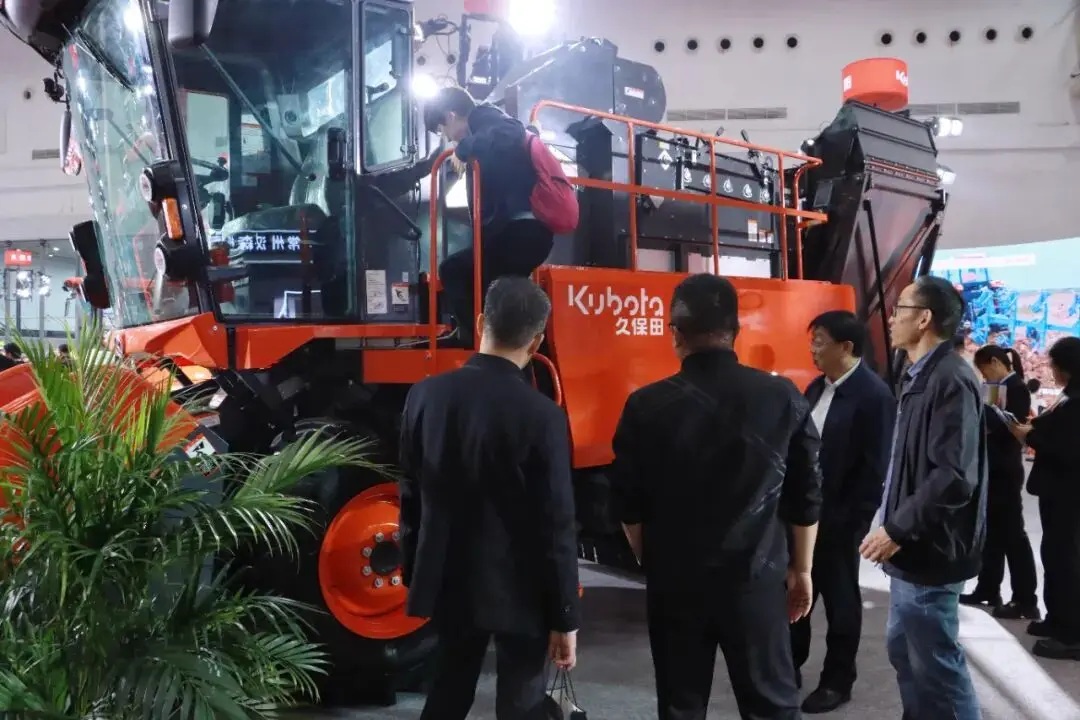
Observing the ways in which multinational companies such as John Deere, CNOOC, AGCO, Klaas, Kubota, and Yangma enter the Chinese market, Kubota and Yangma, along with their supporting enterprises, have settled in together, making Japanese companies more confident and stable in the Chinese market. On the other hand, some European and American companies only enter the Chinese market without introducing foreign supporting enterprises. These multinational companies are essentially assembly plants in the Chinese market, with high product costs and prices far exceeding the affordability of Chinese consumers, resulting in a "high and low" market performance. In recent years, the market share of these brands in China has continued to decline and they are unable to withstand the impact of tariffs, which is enough to illustrate the problem. So domestic agricultural machinery enterprises need to learn from the model of Kubota and Yangma's industrial chain going global. Chinese agricultural machinery enterprises need to go global with upstream and downstream enterprises in the industrial chain. Only when the industrial chain goes global can it truly go global. "Those who have constant production have perseverance". Only by truly rooting the core resources of the enterprise locally can the enterprise obtain sustained and stable returns.
The second is the export of high-tech agricultural machinery products. There is a theory of comparative advantage in international trade. Although domestic agricultural machinery lags behind in the fields of tractors, combine harvesters, cotton pickers, large balers, silage combine harvesters, and lacks competitive advantages in the international market, China has a comparative advantage in high-tech products such as crop protection unmanned aerial vehicles, automatic navigation, and intelligent lawn mowers. In the past two Hannover Fairs in Germany, Chinese companies and brands have played a leading role in the smart agricultural machinery exhibition area,
Domestic intelligent agricultural machinery is ahead of the world in terms of application technology. In the era of intelligence and electrification, domestic agricultural machinery obviously has no historical burden and is more determined than enterprises in Europe, America, Japan, and South Korea. It is expected that in the next few years, the situation of unilateral technology input from Europe, America, and Japan will be changed. In the future, China's automatic navigation, unmanned driving, and electric agricultural machinery technology will be exported to the European, American, Japanese, and South Korean markets in reverse, just like products. Chinese agricultural machinery, which was backward in the industrial era, is expected to become a global leader in the information age.
The third is to export the product overseas. The beginning of everything is difficult. For the vast majority of agricultural machinery enterprises, 100% of their sales are currently in the domestic market. For enterprises without any foundation, the most important thing at present is still to export their products to foreign markets first.
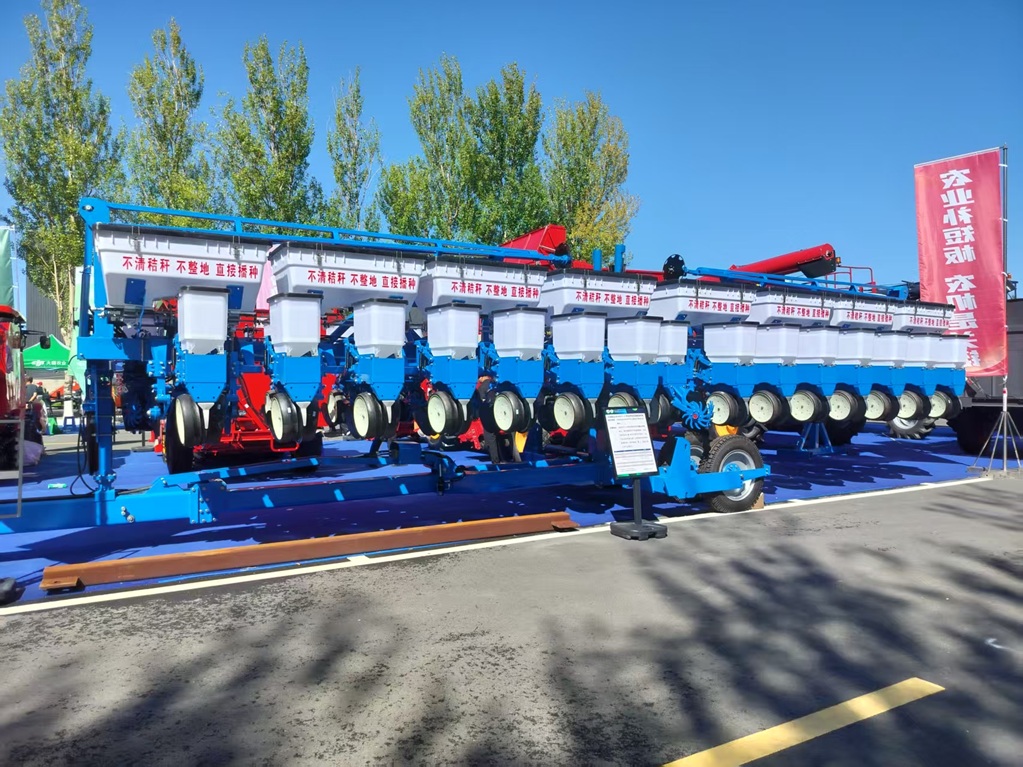
However, based on my recent investigation abroad, I suggest not directly selling products sold domestically to foreign countries. The correct approach is to conduct in-depth market research in the local area, and after fully understanding the real needs and usage environment of overseas users and markets, develop targeted agricultural machinery for overseas market demand. Such product exports are targeted, and many domestic enterprises are hindered from going abroad due to the wrong products being launched in the correct market, causing overseas users to lose trust in domestic agricultural machinery and damaging the image of the entire Chinese agricultural machinery industry.
Conclusion: The navigation clock of 2026 has already rung. The "Age of Discovery" in China's agricultural machinery industry is a magnificent globalization journey ignited by both internal driving pressure and external opportunities. It requires our enterprises to have the courage to avoid the Red Sea and seek new continents, as well as the wisdom to overtake by changing lanes with technological innovation; We need both agility in rapidly developing emerging markets and patience in long-term cultivation in high-end markets; Ultimately, it is necessary to undergo a profound transformation from a "trader" selling goods to a "value integrator" exporting standards, technology, and industrial chains.
Going out to sea is for a larger living space; And the way we go out to sea will determine what kind of new world we can ultimately reach. The sail has been raised, the anchor has been retracted, and ahead is the vast sea of stars and Chinese agricultural machinery, sailing on a long journey.
Related News