
Agricultural modernization demonstration zones open up new avenues for the development of agricultural machinery
The "Work Plan for the Creation of National Agricultural Modernization Demonstration Zones" jointly issued by the Ministry of Agriculture and Rural Affairs, the Ministry of Finance, and the National Development and Reform Commission recently has outlined a clear development blueprint for the agricultural machinery industry. The plan explicitly sets a target of creating no more than 500 designated demonstration zones by 2030.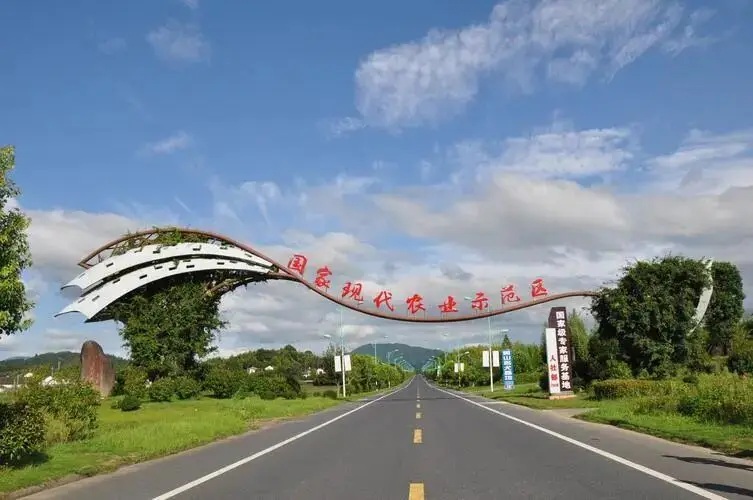
This policy not only provides a practical model for agricultural modernization, but also creates unprecedented development opportunities for the agricultural machinery industry, driving China's agriculture to transition from traditional models to modern and efficient ones.
With precise policy guidance, agricultural machinery is entering a period of strategic opportunities
The introduction of the "Work Plan for the Creation of National Agricultural Modernization Demonstration Zones" marks a new stage in China's agricultural modernization, where guidance is provided based on classification and policies are implemented with precision. The core value of this policy lies in its abandonment of the "one-size-fits-all" development model.
The plan explicitly requires "clarifying the positioning, application standards, and creation goals for each type of demonstration zone." This approach of advancing through classification provides a diversified and precise development path for the agricultural machinery industry. Different types of demonstration zones will give rise to differentiated agricultural machinery demands, driving the industry to shift from meeting general needs to solving professional problems.
Six types of demonstration zones create diverse agricultural machinery demands
The plan proposes six types of demonstration zones, including grain industry, aquaculture, advantageous specialty industries, smart agriculture, urban agriculture, and dryland farming, each corresponding to different agricultural machinery development priorities.
The grain industry demonstration zone will prioritize the integration of full mechanization technology, while the aquaculture industry demonstration zone will concentrate on the research, development, and application of intelligent breeding equipment. As a technological hub, the smart agriculture demonstration zone will serve as a testing ground for digital agricultural machinery and intelligent equipment.
This classification layout breaks the homogenization competition pattern of previous agricultural machinery development, creating six major market segments for agricultural machinery enterprises and driving product innovation towards specialization and precision.
Fully mechanized advancement, expanding the application scenarios of agricultural machinery
The policy proposes to "encourage qualified demonstration zones to take the lead in basically achieving agricultural modernization", and this goal is directly related to the degree of realization of full mechanization in agriculture.
From cultivation and management to processing and storage, and from field management to quality traceability, the construction of demonstration zones will drive the transformation of agricultural machinery from single-link application to full-chain coverage. The application scenarios of agricultural machinery will be systematically expanded, especially in weak links such as post-harvest processing and agricultural product processing.
The requirements outlined in the plan, namely "strengthening organizational leadership, innovating institutional mechanisms, and enhancing factor guarantees," will effectively overcome institutional barriers that restrict the application of agricultural machinery and create a favorable environment for socialized agricultural machinery services.
The acceleration of intelligent upgrades has made digital agricultural machinery a key development focus
The plan specifically designates smart agriculture as one of the six types of demonstration zones, highlighting the central role of digital technology in agricultural modernization. The intelligent upgrade of agricultural machinery is no longer optional, but an inevitable requirement for the construction of demonstration zones.
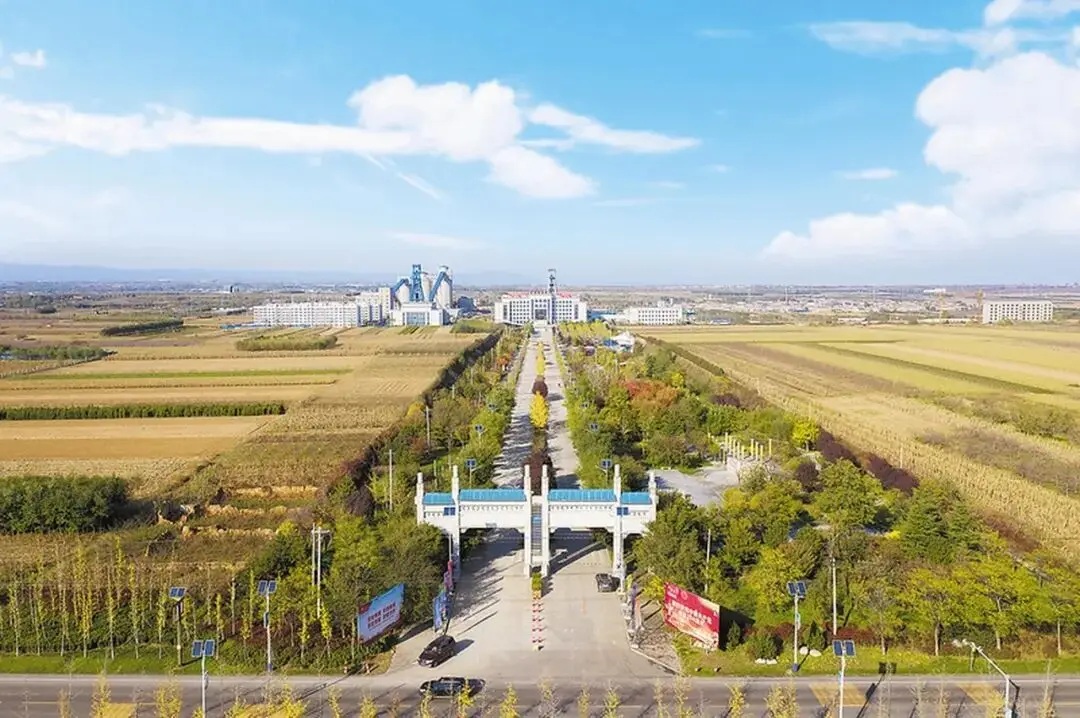
The establishment of smart agriculture demonstration zones will directly promote the deep integration of agricultural machinery with new-generation information technologies such as the Internet of Things, big data, and artificial intelligence. Intelligent monitoring, precision farming, and autonomous decision-making will become standard features of new-generation agricultural machinery.
The policy's goal of "building a number of highlands for agricultural industry development" is highly aligned with the concept of precision agriculture and efficient agriculture promoted by intelligent agricultural machinery. Digitalization and intelligence will become the main theme of agricultural machinery development.
Guided by green transformation, energy-saving and environmentally friendly agricultural machinery holds broad prospects
The plan explicitly sets "promoting the construction of a number of benchmarks for comprehensive green transformation in agriculture" as one of the objectives for establishing the demonstration zone. This guidance provides policy support for the development of energy-saving and environmentally friendly agricultural machinery.
Among the six types of demonstration zones, the dryland farming demonstration zone is directly linked to the research, development, and application of water-saving and energy-saving machinery, while other types of demonstration zones also need to meet the requirements of green development. Environmental standards will become an important evaluation indicator for agricultural machinery.
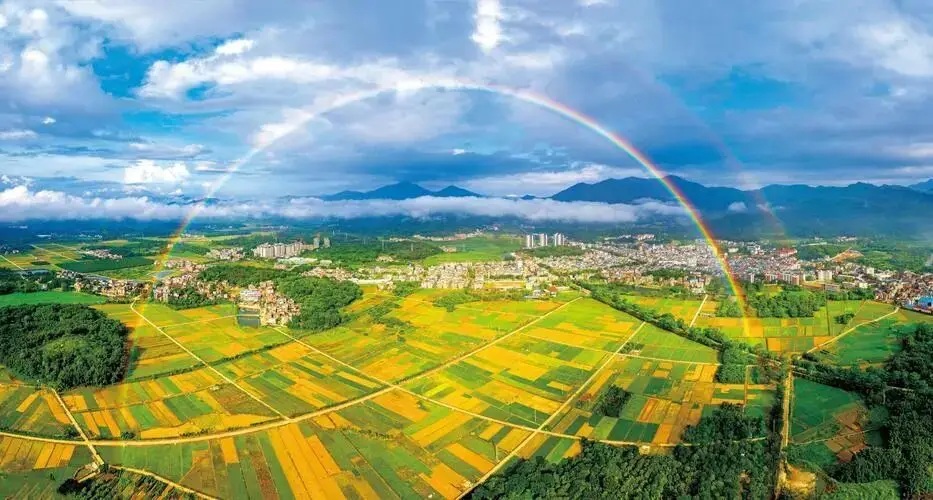
This policy orientation will encourage agricultural machinery enterprises to intensify technological research and development in areas such as energy conservation, emission reduction, and resource recycling, thereby promoting the transformation and upgrading of agricultural machinery towards an environmentally friendly direction.
The classified construction approach of the demonstration zone has pointed out the development path for the agricultural machinery industry, transitioning from "general-purpose" to "special-purpose". Under the policy framework, innovation in agricultural machinery is no longer merely about enhancing technical parameters, but also about deeply aligning with the characteristics of the agricultural industry.
As agricultural modernization demonstration zones are rolled out nationwide, they will become the most active testing grounds for agricultural machinery innovation in China. Here, the unique needs of each type of demonstration zone will give rise to targeted mechanical solutions, driving a fundamental shift in China's agricultural machinery industry from scale expansion to quality improvement.