
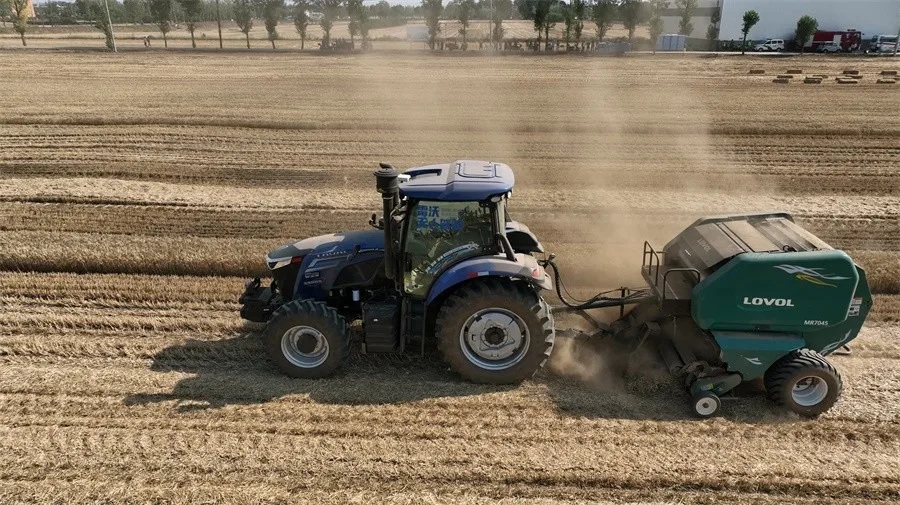
The agricultural machinery industry is gathering strength to break through the deadlock amid structural adjustment
On February 2, 2026, Dongfang Securities released an industry research report that, like a mirror, reflects the pains and expectations that the agricultural machinery industry is experiencing. The report points out that overall industry demand will be under pressure in 2025, and there is hope for marginal improvement in 2026. This is not a simple prediction of ups and downs, but reflects that the industry is in a critical "structural transformation period". How should we view the signals revealed in this report?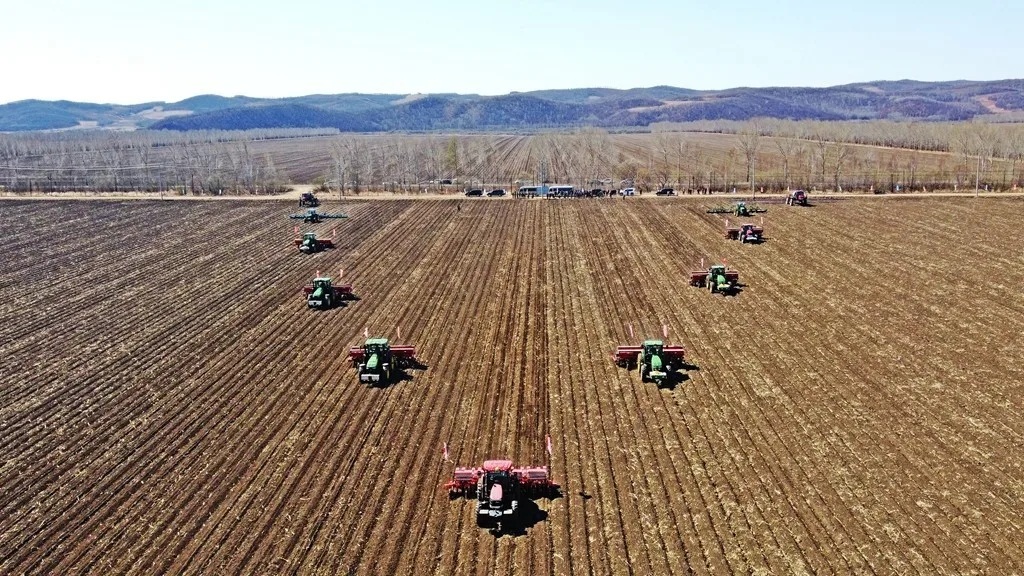
Current Pressure: Internal and External Pressure, Market Calls for 'New Momentum'
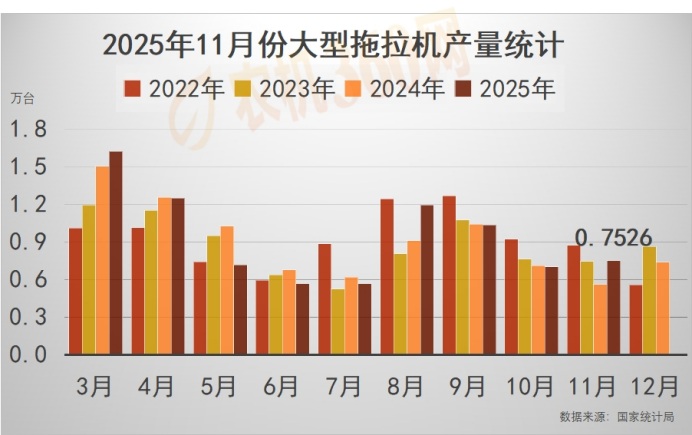
The data in the report provides a footnote to the industry's "coldness". The double decline in domestic production of small and medium-sized tractors, especially the significant decrease of over 15% in small tractors, clearly indicates that the market for traditional and popular products is facing dual challenges of saturation and upgrading. This is not only a cyclical fluctuation, but also a direct reflection of changes in demand structure - small-scale and inefficient operation modes are being rapidly phased out.
At the same time, the 'cold wave' in overseas markets is also surging. The significant decline in sales of agricultural machinery in Europe and America is the result of multiple factors intertwined, such as fluctuations in international agricultural product prices, uncertainty in the trade environment, and high interest rates suppressing investment. This reminds us that the internationalization of China's agricultural machinery industry can no longer rely solely on cost-effectiveness advantages to ride the waves, but must dance with the cyclical risks of the global agricultural economy. These two sets of data point to a core point: whether it is domestic or external demand, the market's requirements for agricultural machinery and equipment have shifted from "whether there is" to "whether it is good or not, strong or not".
The dawn of hope: Policy determination and technological upgrading jointly draw a blueprint for recovery
Although there is pressure, the report's optimistic outlook for 2026 also points us in the direction of accumulating strength. We believe that the expectation of marginal improvement is based on the synergy between "policy certainty" and "industry ambition".
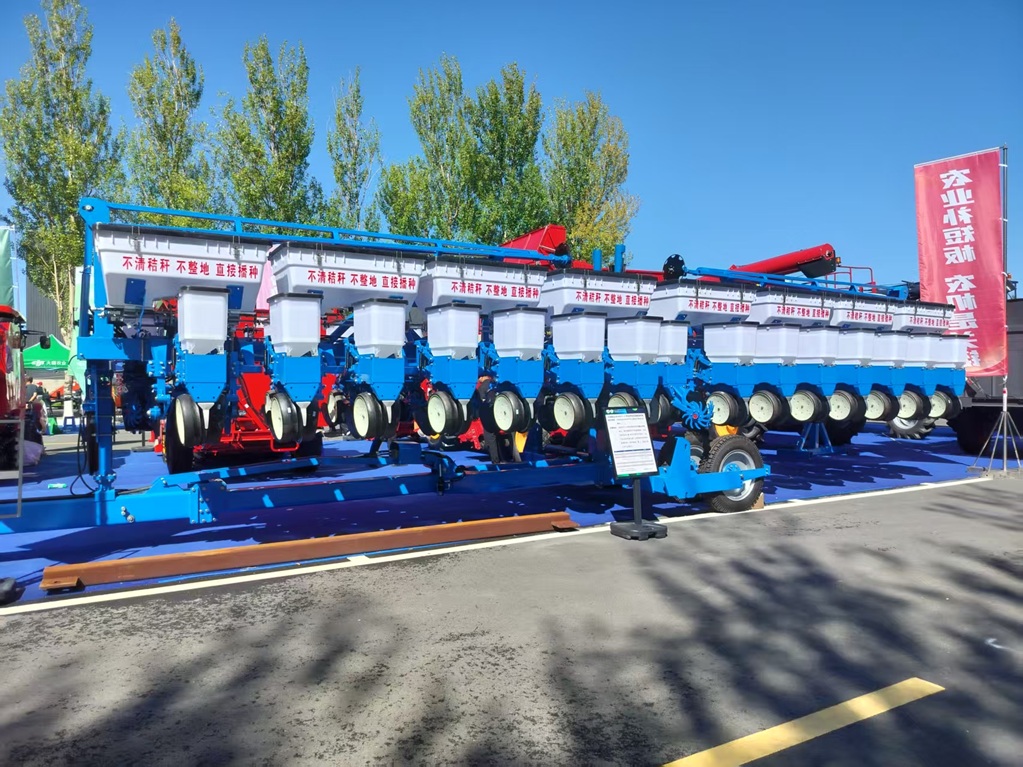
Firstly, the continuity and precision of domestic policies are the "ballast stones" that smooth out cyclical fluctuations and stabilize market expectations. At the beginning of the 15th Five Year Plan, the core position of agricultural modernization in national strategy is beyond doubt. Of particular note is the report's mention that 'funding channels for equipment updates are more focused on the agricultural machinery sector'. This means that subsequent support policies are expected to have a more direct impact on production entities, stimulating the demand for upgrading and replacement, which is exactly the "timely rain" that the industry needs the most. The clear requirements of "vigorously developing new agricultural productivity" and "strengthening the implementation of agricultural machinery and equipment to make up for shortcomings" have pressed the "acceleration key" for the transformation and upgrading of the industry. The research and industrialization of short board machinery is not only a policy task, but also the key to opening up new market space.
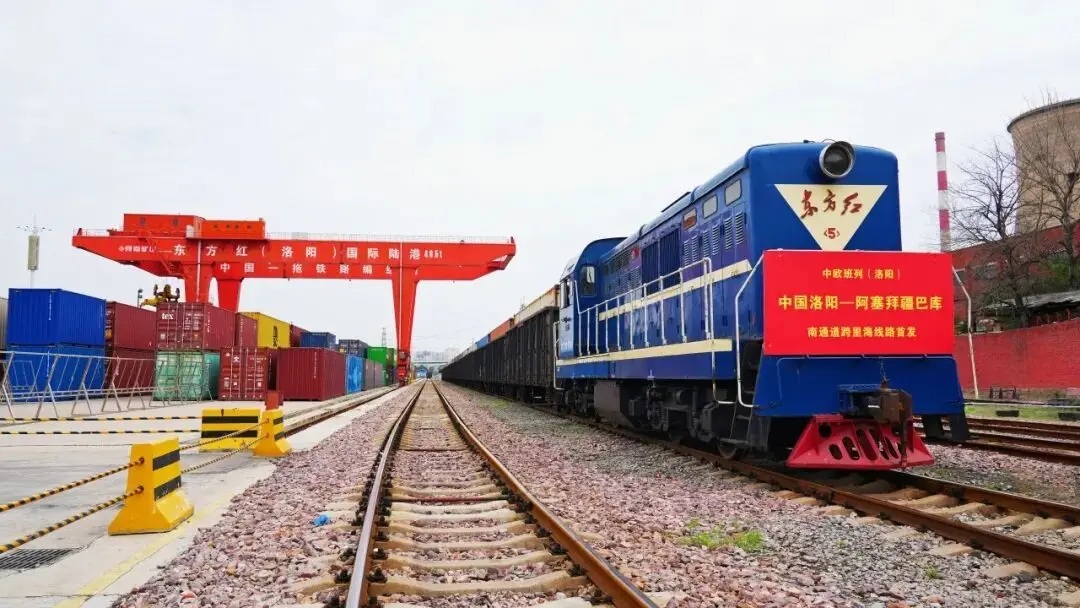
Secondly, the marginal improvement in the overseas environment brings warmth to the export market. The expected stabilization of global agricultural product prices, the temporary easing of trade frictions, and the reduction in financing costs brought about by interest rate cuts will gradually release suppressed investment demand. This is an important external opportunity window for Chinese agricultural machinery enterprises that already have considerable international competitiveness.
Our thinking: Transcending cycles, resilient growth
Overall, Dongfang Securities' report depicts an industry landscape of "short-term pressure and medium-term improvement". From the perspective of industry media, we would like to emphasize that:
The current demand pressure is essentially a deep market clearance and structural optimization. Instead of being anxious about the temporary contraction of the overall quantity, enterprises should calmly examine whether their products are in line with the new industrial mainline of "filling gaps, improving efficiency, and promoting intelligence". The east wind of policies will only blow towards those innovative entities that are truly committed to core technology research and solving practical pain points in agricultural production.
Looking ahead to 2026, the recovery of the industry will not be a general rise in all fields, but will be a differentiation and upgrading around "high-end, intelligent, and green". The resonance between domestic updates and the recovery of overseas markets will occur, but competition will also become more intense. Only by practicing hard and building a true moat in reliability, applicability, and intelligent services can we become leaders rather than runners in this round of structural recovery.
Winter nurtures vitality, adjust and accumulate strength. For the Chinese agricultural machinery industry, the most important thing is not to predict the specific date of spring, but to ensure that when spring arrives, we have the best seeds and the most convenient tools in our hands.